
When Is the Best Time to See Manta Rays in Nusa Penida ?
If you’re planning a snorkeling trip in Nusa Penida, one of the most important questions is:
When is the best time to see manta rays in Nusa Penida ?
The honest answer from local experts is:
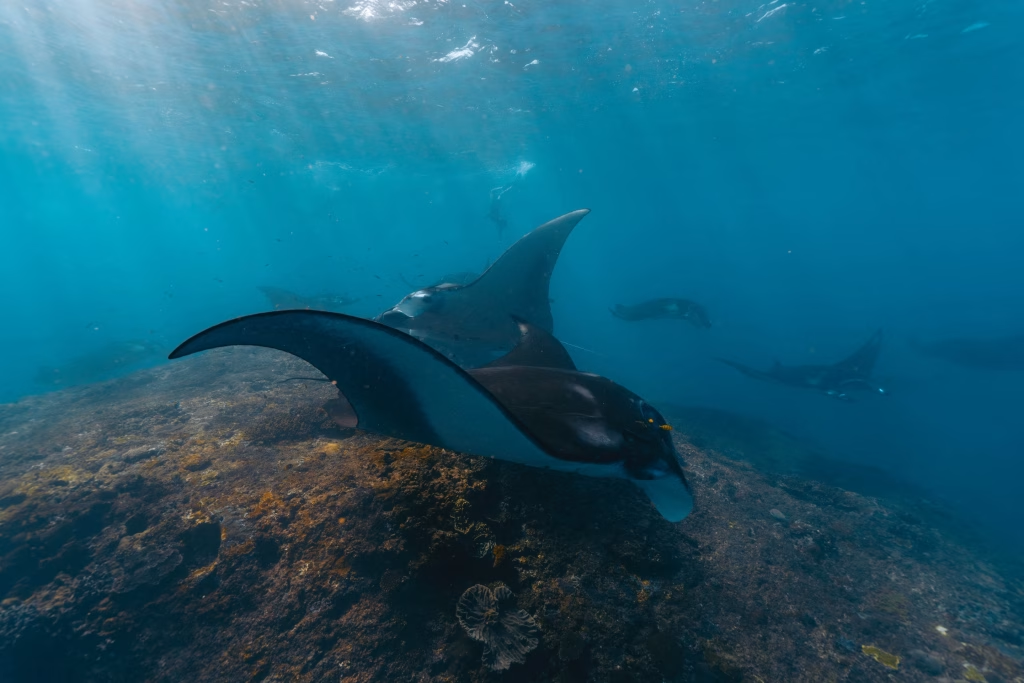
Manta rays can be seen all year round in Nusa Penida. There is no specific manta season.
Unlike many destinations where mantas migrate seasonally, Nusa Penida offers year-round manta ray encounters thanks to its unique ocean conditions.
However, some periods may offer calmer seas or slightly different feeding activity. Let’s break it down clearly.
Are Manta Rays in Nusa Penida Seasonal ?
No ! Around Nusa Penida, manta rays are resident, meaning they do not migrate away for part of the year.
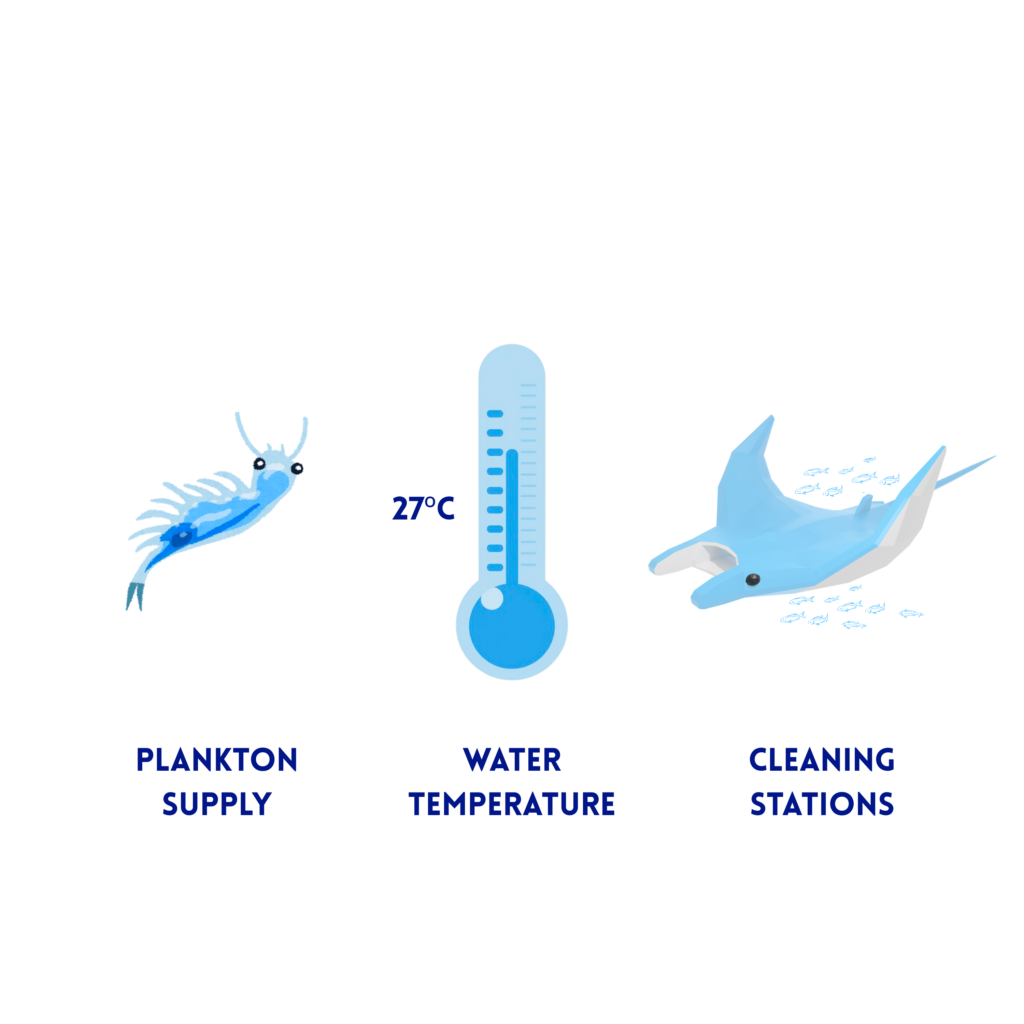
They stay because:
- Food (plankton) is available all year
- Strong nutrient-rich currents flow continuously
- Cleaning stations are permanently active
- Water temperature remains stable
This makes Nusa Penida one of the rare places in the world where you can snorkel with manta rays in any month.
Why Are Mantas Here All Year?
Nusa Penida sits in a powerful marine channel between Bali and Lombok.
Three key reasons keep mantas here permanently:
1️⃣ Constant Plankton Supply
Ocean currents bring nutrient-rich water from deep layers, creating a reliable food source year-round.
2️⃣ Cleaning Stations
Manta Point functions as a natural cleaning station where small reef fish remove parasites.
Mantas return regularly for this essential behavior.
3️⃣ Stable Water Temperature
The water temperature remains suitable throughout the year, even when upwellings occur.
Because of this combination, mantas do not need to migrate.
Best Months for Sea Conditions (April – October)
If we talk strictly about comfort and visibility : April to October (dry season) is often considered the most comfortable period.
Generally calmer surface conditions
Less rainfall
Better visibility on average
Smoother boat crossings from Sanur
During these months, snorkeling conditions are usually more stable, which can make manta encounters more relaxed.
But remember — mantas are present outside this period too.
November – March: More Plankton, Active Feeding
During the rainy season (November to March):
Rain increases nutrient runoff
Plankton levels may rise
Mantas are often actively feeding
This sometimes creates spectacular feeding moments at sites like Manta Point or Manta Bay.
However, sea conditions can be more unpredictable, and some days trips may be canceled for safety due to larger swells on the west coast.
So the mantas are there — but access depends on weather.
What Actually Affects Your Chances of Seeing Mantas?
The real factor is not the month, it’s:
- Daily sea conditions
- Wind direction
- Swell size
- Coast guard sailing permissions
Some days, especially during strong swells, boats are not allowed to access manta areas.
This is why choosing an experienced local team matters more than choosing a specific month.
So, When Is the Best Time?
If you want the simplest answer:
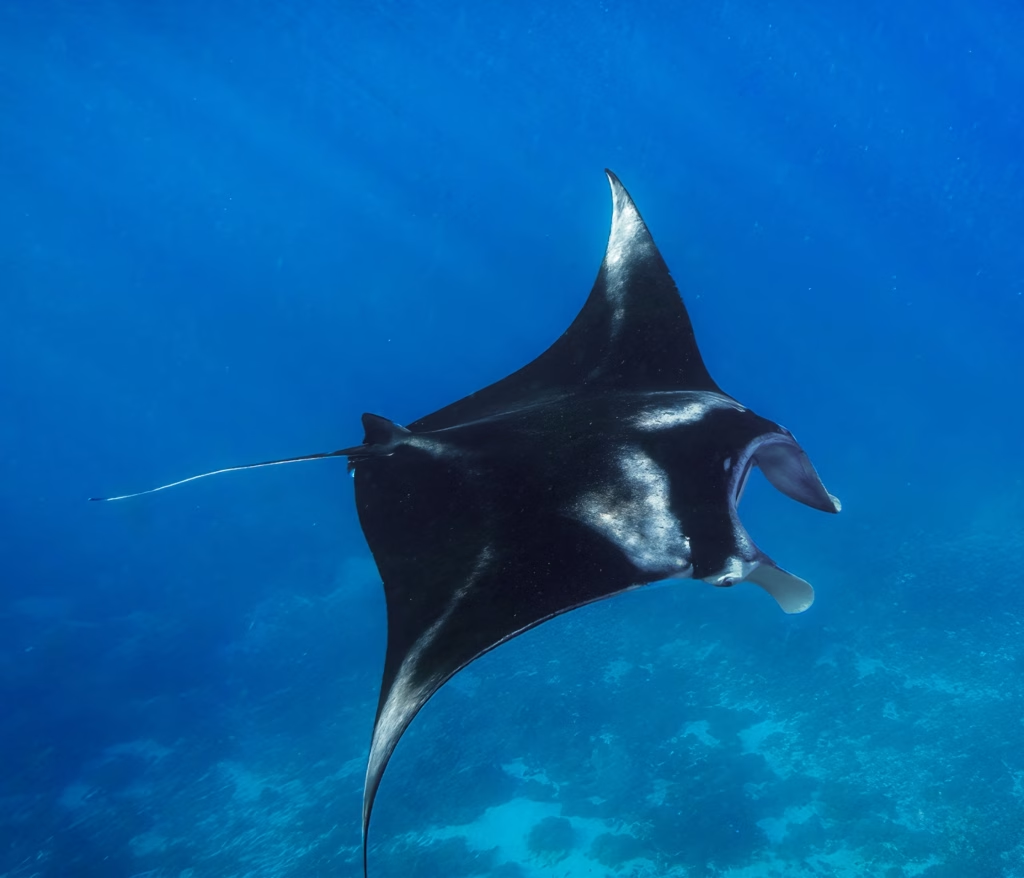
✔️ Manta rays can be seen 12 months a year in Nusa Penida.
✔️ April to October usually offers calmer conditions.
✔️ November to March may bring more plankton and feeding activity.
There is no “manta season.”
There is only the ocean — and it changes every day.
If your goal is snorkeling with manta rays in Nusa Penida, you can plan your trip at any time of the year. The key is flexibility and choosing a professional operator who prioritizes safety and understands local marine conditions.